

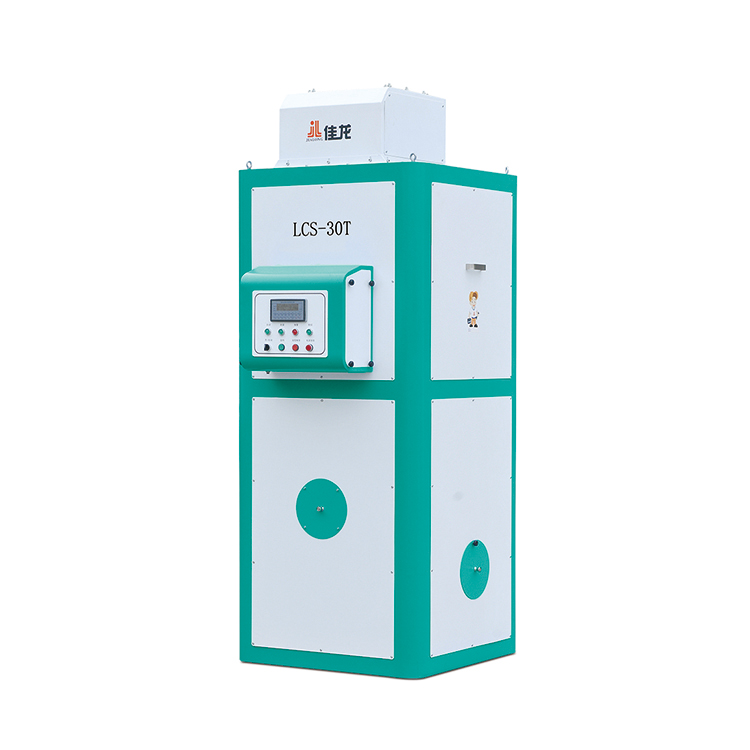
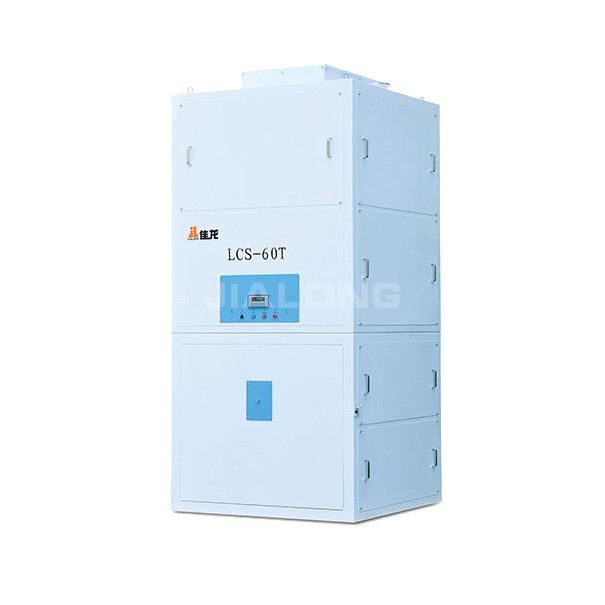
Soft texture and bland hollow cores are the two defects destroying repeat purchase rates in premium marinated legumes. A professional marinated legume packaging machine eliminates both — and turns vacuum tumbled chickpeas into a retail loyalty engine.
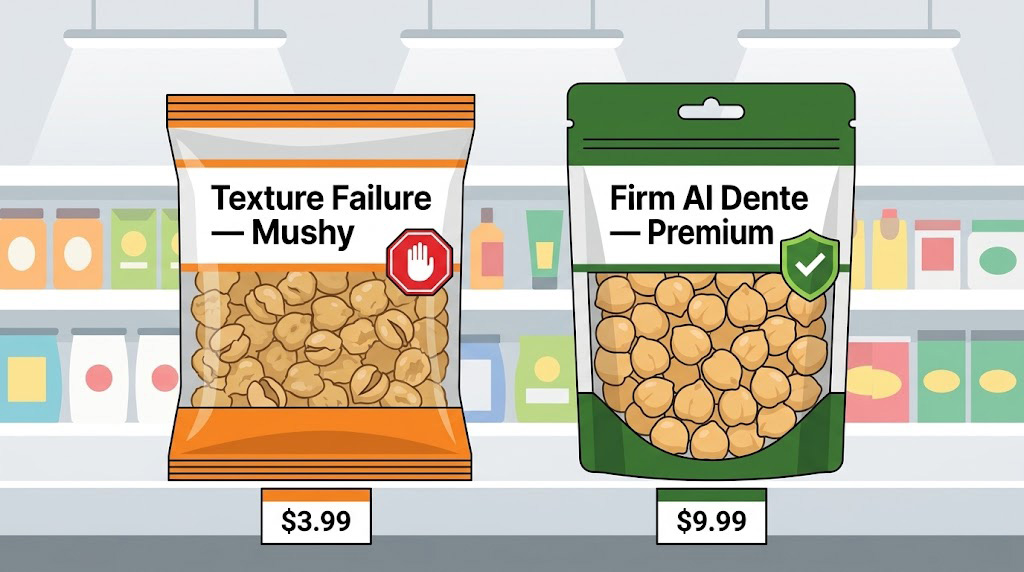
A consumer pays $9 for your premium marinated chickpeas. They open the pouch and bite into a soft, slightly mushy bean with flavour concentrated on the skin and a bland, underseasoned core. They finish the pack without enjoying it and do not buy again. The one-star review they post mentions "texture" and "bland inside." Your retail marinated bean packaging looks premium. Your flavored legume processing equipment is producing a product that argues against that premium every time a consumer opens a pouch. Two processing defects are responsible — and both are solved at the machine level.
Vacuum tumbled chickpeas go mushy when the processing equipment extracts pressure too aggressively. The bean cell structure ruptures under rapid pressure change before the marinade even enters the picture. A properly engineered marinated legume packaging machine uses staged vacuum cycles — gradual extraction that allows the cellular matrix to adjust rather than collapse. The result is vacuum tumbled chickpeas with the firm, al dente bite that premium bean packaging promises on the label and actually delivers at the table.
Skin splitting — the visible defect that kills premium bean packaging shelf appeal on sight — follows the same engineering logic. Aggressive pressure cycles shear the skin from the cotyledon before tumbling begins. Consumers see split, ragged skins through the packaging window and put the product back. A marinated legume packaging machine with programmable multi-stage pressure control eliminates skin splitting from the production output entirely. Every unit of vacuum tumbled chickpeas leaving the line has the intact, visually perfect appearance that retail marinated bean packaging requires to earn the premium price point.
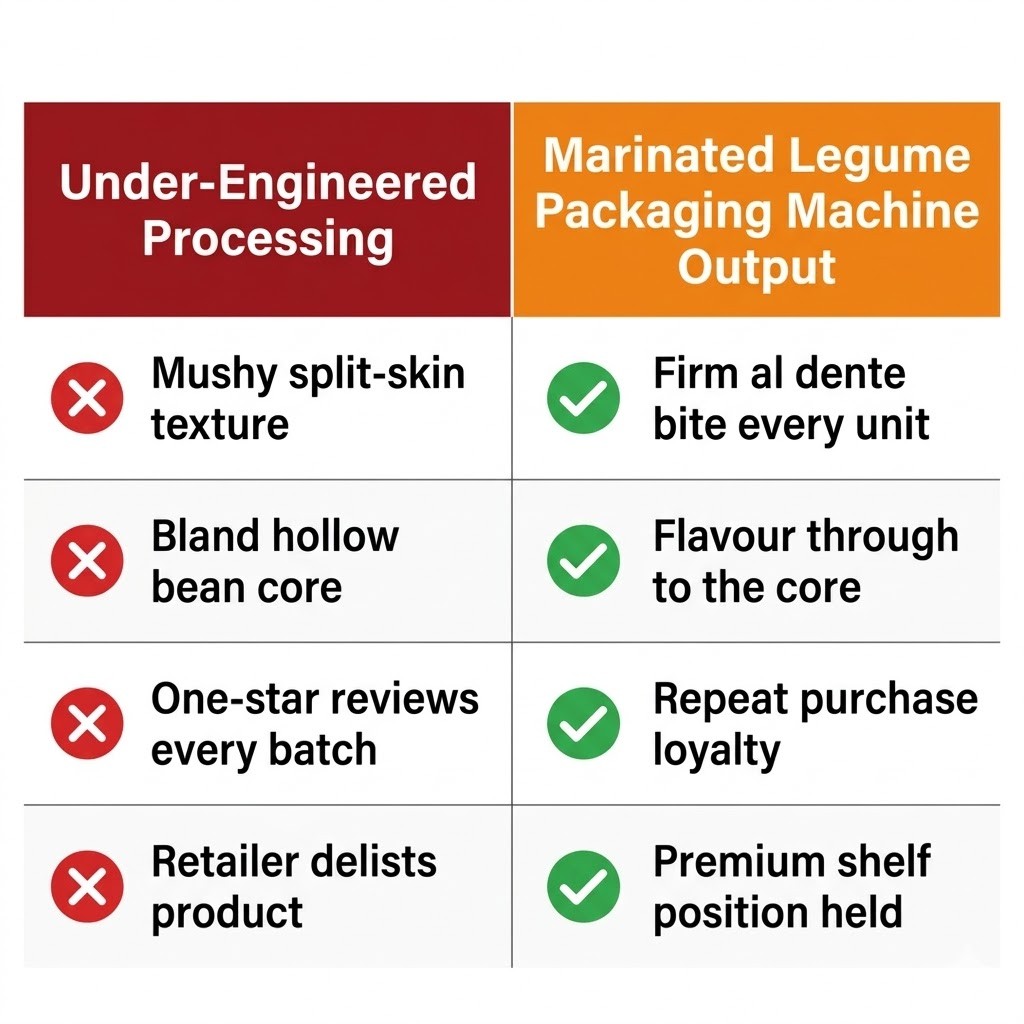

The hollow bean effect is the flavoured legume processing failure that consumers describe as "tastes like nothing inside." Standard high-flow marinade injection saturates the bean surface and the spaces between beans before the seasoning has time to diffuse into the dense core. The exterior is overseasoned. The core is bland. Premium bean packaging with sophisticated flavour positioning cannot survive this defect — the consumer experience contradicts every claim on the retail marinated bean packaging.
A marinated legume packaging machine with low-flow multi-point injection fixes this at the equipment level. Distributing marinade at a flow rate the bean tissue can actually absorb — rather than the fastest rate the equipment can deliver — drives flavour to the core rather than pooling it on the surface. Combined with controlled gentle tumbling that mechanically works the seasoning inward, the vacuum tumbled chickpeas coming off a correctly specified marinated legume packaging machine have uniform flavour penetration from skin to core. The consumer bites through and gets the same seasoning profile from the outside to the centre. That experience is what drives the repeat purchase that premium bean packaging exists to create.
Every pouch of vacuum tumbled chickpeas with a texture or flavour defect is a repeat customer you will never recover. A professional marinated legume packaging machine with staged pressure cycle control and low-flow injection eliminates both defects simultaneously. The retail marinated bean packaging you invest in is only commercially effective when the flavored legume processing equipment behind it produces a consistent, premium product — firm texture, uniform flavour, intact presentation — on every single batch.
Premium bean packaging that earns its price starts with the right processing machine.
Explore Jialong's Marinated Legume Packaging Machines Here.