

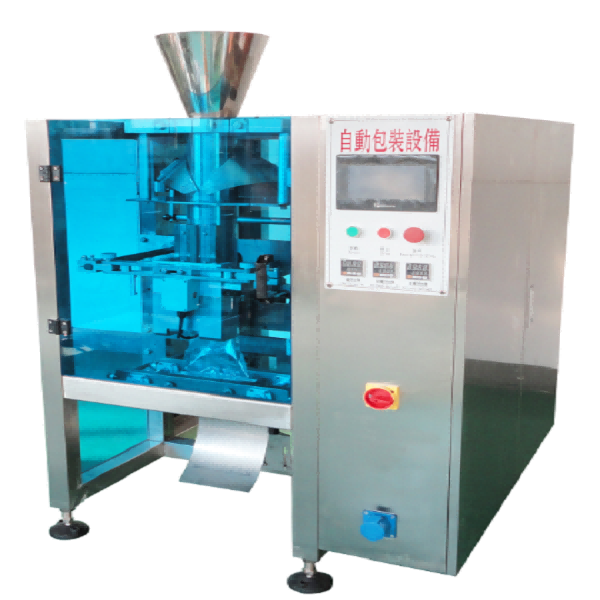
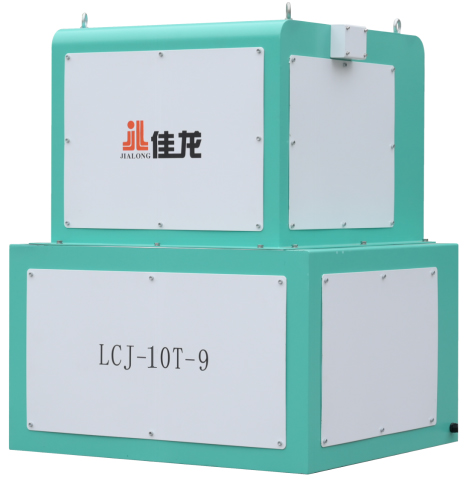
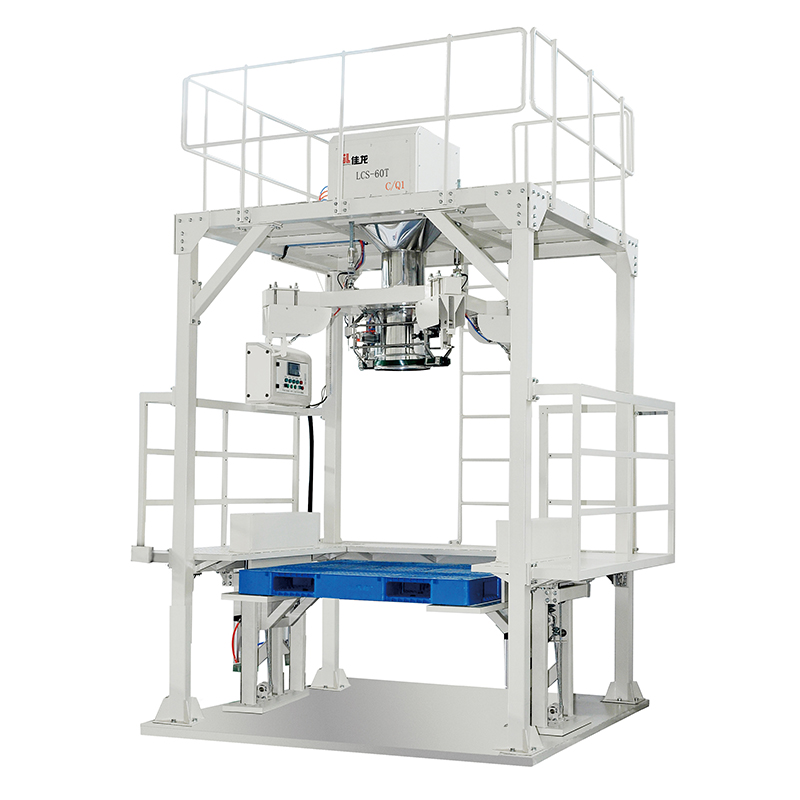
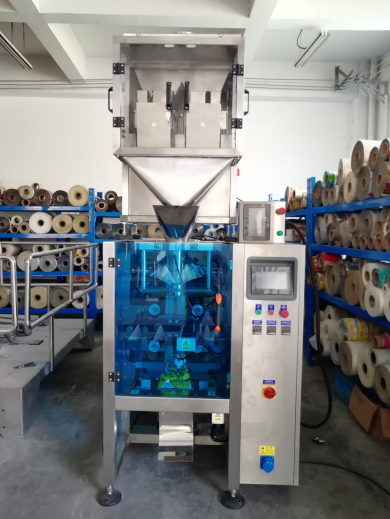
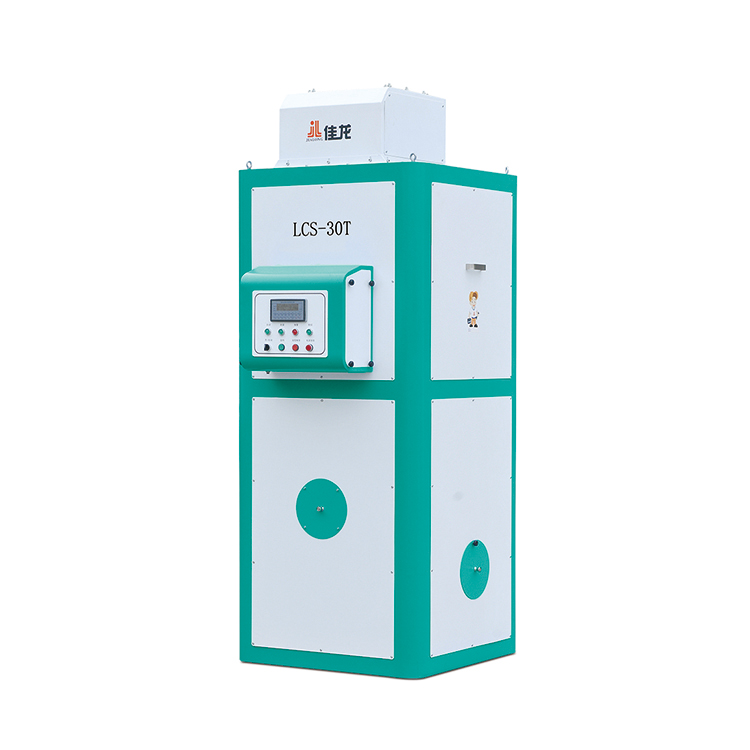
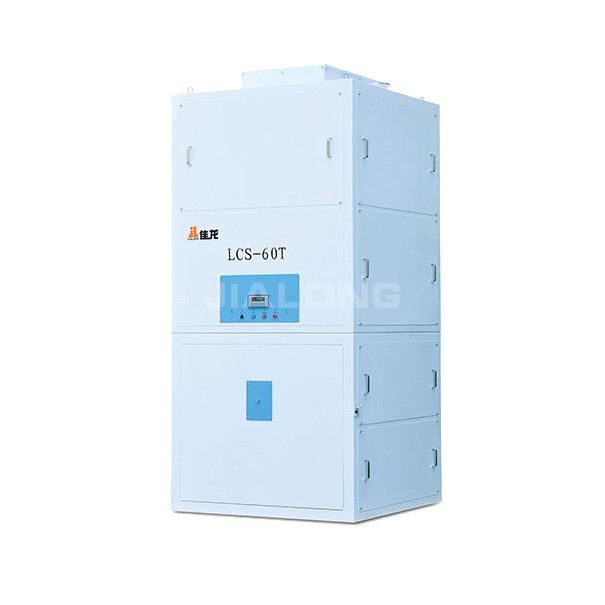
Standard loose bags cost you repeat customers, retailer trust, and the premium shelf position your product deserves. Here is how a professional legume packaging machine fixes all three problems permanently.
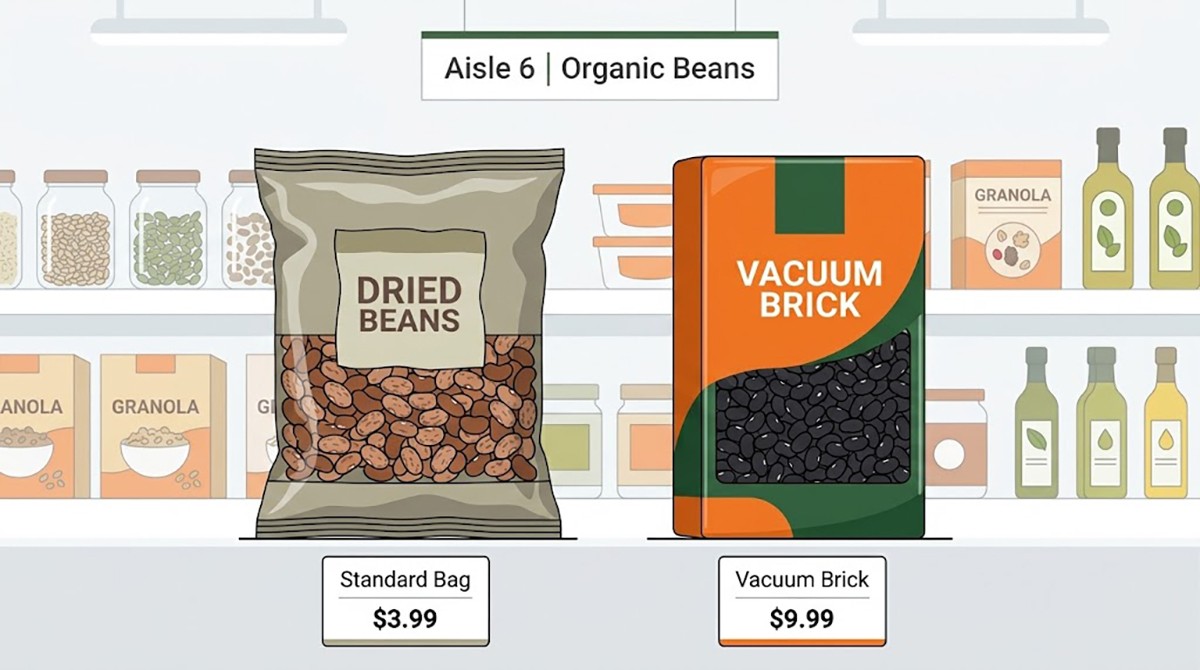
Walk the dried goods aisle of any serious health food retailer. The products that move are not the cheapest. They are the ones that look like they were engineered. Dense. Rigid. Perfectly square vacuum packed beans with high-gloss printing that does not wrinkle. Consumers reach for these products before they check the price. A soft, slightly puffy standard bag sitting next to a rigid vacuum brick communicates one thing immediately — this brand did not invest in their product presentation. That judgement happens in under three seconds. It kills your sales before the customer reads a single word of your packaging copy.
Shopper psychology in the dry goods category is straightforward. Density equals quality. A compressed, geometrically consistent vacuum brick signals freshness, containment, and precision manufacturing. A soft bag signals none of these things. It signals uncertainty about what is inside and how long it has been there.
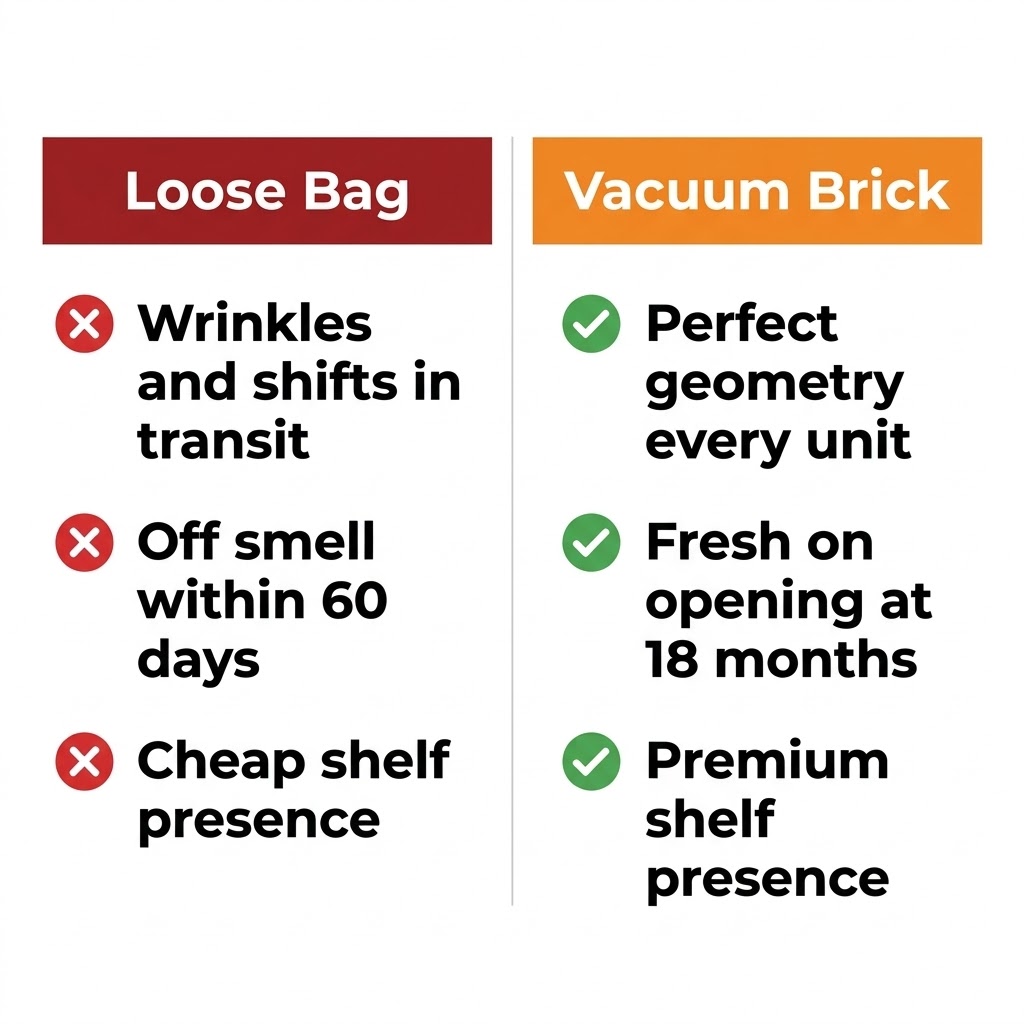
A heavy-duty legume packaging machine creates identical brick geometry on every single production cycle. The flat surface allows full-bleed premium printing without surface distortion. Stack ten units on a shelf and every one looks the same. This visual consistency is a brand trust signal that translates directly into price acceptance. Documented retail data across the dry goods category shows premium legume packaging in rigid vacuum brick format commanding 35–50% higher shelf pricing against the same product in a standard bag. That is not a design premium. That is a packaging engineering premium.
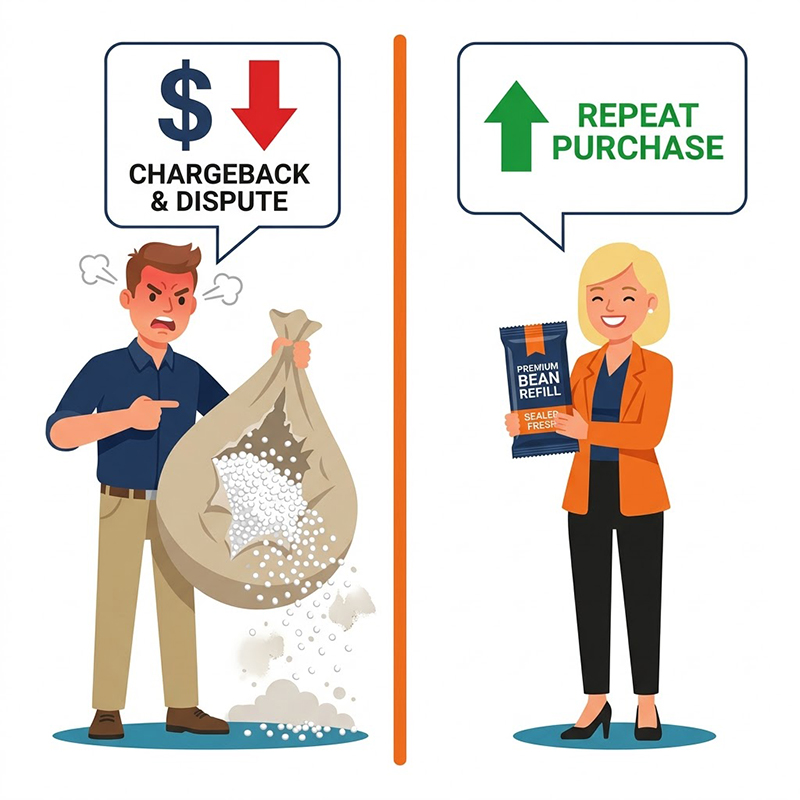
Track your spoilage returns for six months. Add up the chargeback fees, the reshipment costs, and the emergency discount write-offs. Most legume brands have never done this calculation. When they do, the number is always larger than expected — because the losses distribute across multiple line items rather than appearing as a single visible figure.
A standard bag allows ambient oxygen and humidity to degrade your product in transit and on the shelf. The consumer opens a bag of vacuum packed beans expecting fresh, intact product. They get off-flavour, soft texture, or visible mold. They do not contact your customer service. They post a negative review, request a retailer refund, and choose a different brand. That single event costs you the chargeback fee, the handling cost, and a five-year customer relationship. A professional dry goods packaging machine that creates a hermetic seal eliminates this chain entirely. The product that leaves your factory floor is the product the consumer opens — six months and two distribution centres later.
Calculate the cost of a professional legume packaging machine against what your current packaging is already costing you. Chargebacks. Spoilage write-offs. Margin left behind because your retail bean packaging cannot support premium pricing. These are real, recurring costs that a rigid vacuum system eliminates on day one of operation.
The brands winning shelf space in the premium dry goods category are not winning on product quality alone. They are winning on packaging that forces the quality signal through before the consumer makes a decision. A dry goods packaging machine that consistently produces dense, hermetically sealed vacuum packed beans gives your product that signal on every unit, in every store, in every market you ship to.
Your beans deserve better than a bag that argues against them.
Explore Jialong's Legume Packaging Machines Here.