

Future Vacuum Packaging for Granules: Automation, Smart Packs, and Sustainable Film Choices
Published on: June 24, 2026
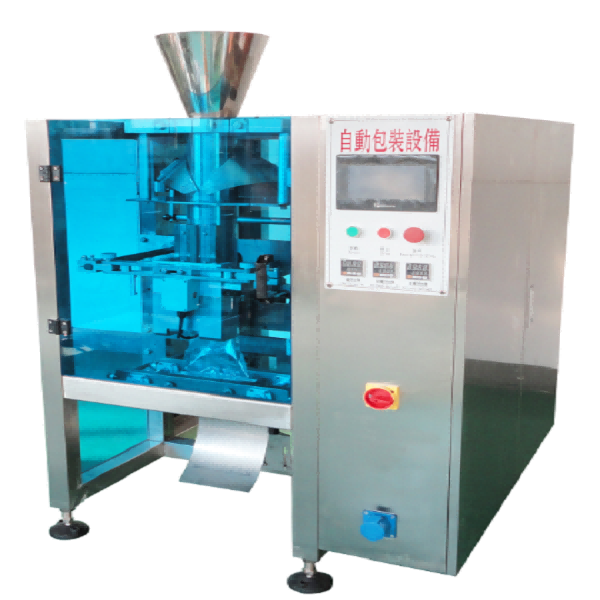
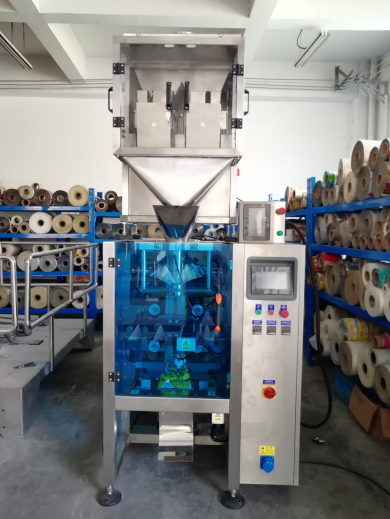
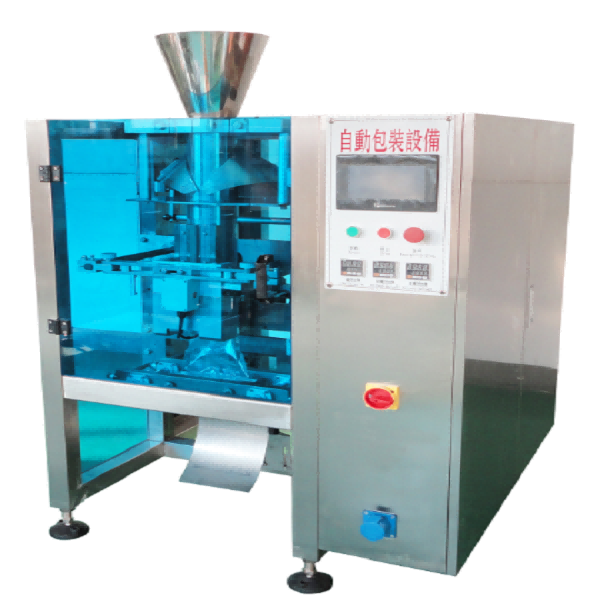
A granule pouch packing machine used to be judged mainly by vacuum strength and speed. Those two points still matter, but they are not enough for modern granular products. Coffee, nuts, spices, seeds, rice, sugar, and dry chemical granules all bring different risks: oxidation, moisture gain, aroma loss, caking, dust in the seal, and particle breakage.
Future-ready vacuum packaging is a system. It combines filling accuracy, product settling, vacuum recipe control, seal inspection, film selection, code printing, and storage testing. Buyers should look at these points before increasing speed or changing film.
Automation
Recipes reduce operator guesswork between products.
Leak control
Seal inspection protects the vacuum benefit.
Traceability
Readable codes connect packs to batch information.
Film choice
Sustainable options still need barrier proof.
Automation Should Protect the Product, Not Only Increase Speed
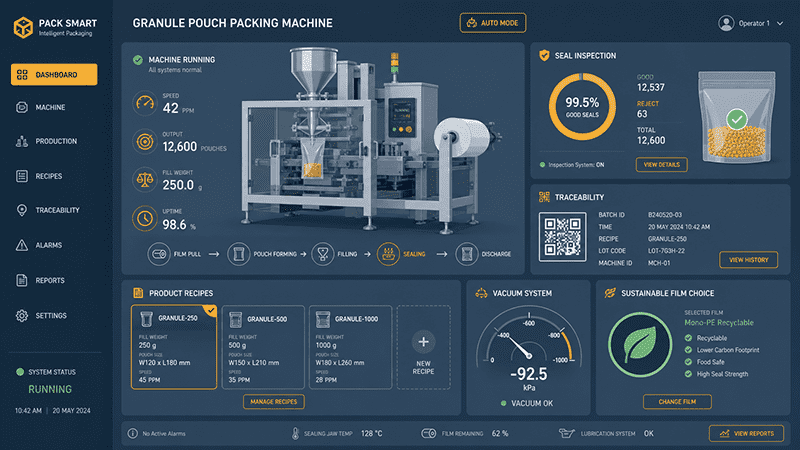
An automatic vacuum packing machine can improve consistency when recipes are built correctly. The line should allow operators to save product-specific vacuum time, sealing temperature, cooling time, and package firmness targets. This is especially important when one factory packs several granular products on the same line.
Speed should be raised only after product breakage, seal cleanliness, vacuum decay, and pouch shape are stable. A faster granule packaging machine is not a better machine if it creates more fines, weak seals, or unreadable printed codes.
| Trend | What to ask the supplier | Why it matters |
|---|---|---|
| Recipe automation | Can settings be saved by product and bag size? | Reduces variation between shifts. |
| Seal inspection | How are dust and seal channels checked? | Prevents slow air return. |
| Smart coding | Can the code stay readable after vacuum packing? | Supports batch traceability. |
| Film transition | Does the new film keep barrier and seal strength? | Avoids sustainability changes that increase waste. |
Smart Packaging Starts With Reliable Codes
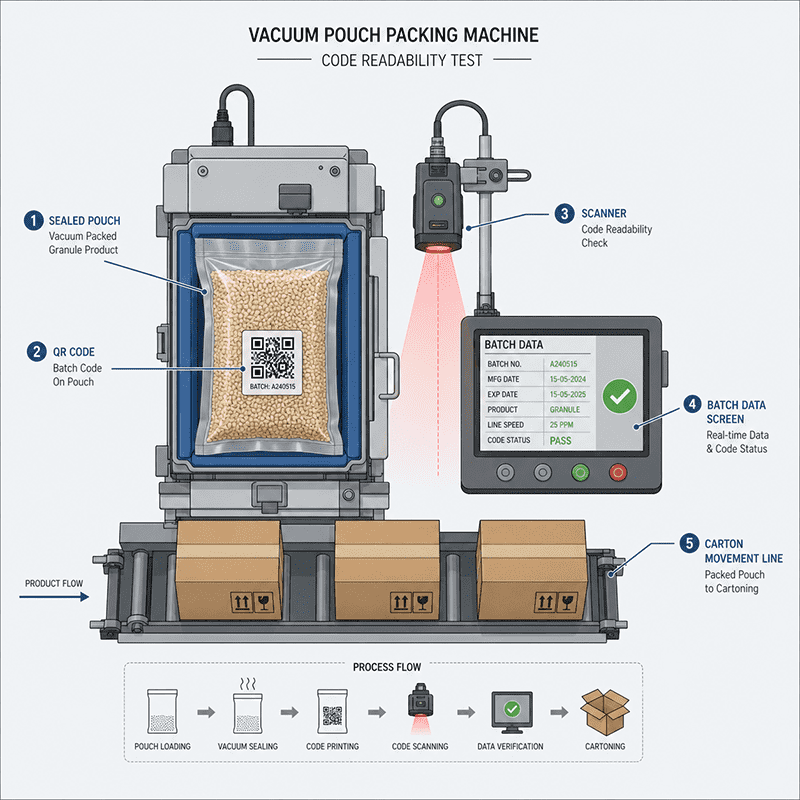
Smart packaging often begins with a simple scannable code. GS1 Digital Link is one useful reference because it connects product identifiers to online information. For vacuum-packed granules, this can support batch information, product instructions, traceability, and recycling content.
The practical challenge is not adding a code. The challenge is keeping that code readable after filling, vacuum compression, sealing, cooling, carton loading, and transport. Buyers should include code readability in the line acceptance test.
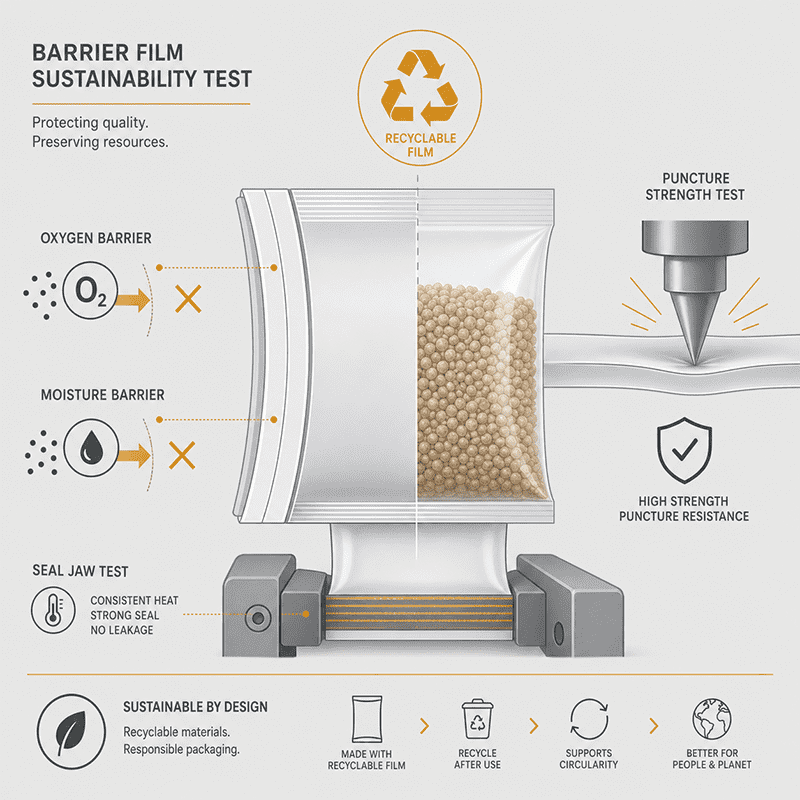
Sustainable Film Choices Need Real Package Testing
Many buyers want to reduce plastic weight or move toward more recyclable film structures. That direction is reasonable, but granular products can be difficult. Sharp particles can puncture thin film. Moisture-sensitive granules can cake if the barrier drops. Oily products can lose quality if oxygen control is weaker.
The best purchasing decision compares total waste, not only film weight. A lighter pouch that increases leaks may create more product loss. A future-ready granule pouch packing machine trial should include barrier data, leak rate, particle damage, shelf-life test, and carton handling.
External references: GS1 Digital Link, ASTM F1927 oxygen transmission rate test method, and FDA Packaging & Food Contact Substances.
Contact our engineering team directly:
Email: export@jialong.cn
WhatsApp: +86-136-2579-4992
Products: granule pouch packing machine