

4 Practical Advantages of Vacuum-Packed Rice for Buyers and Distributors
Published on: July 3, 2026
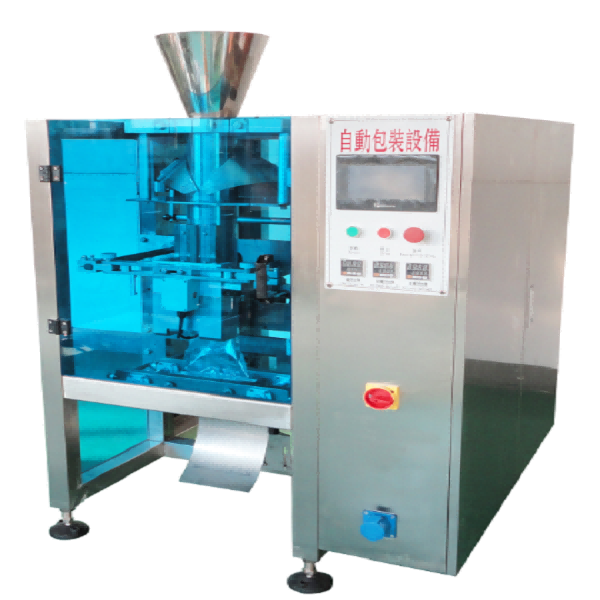
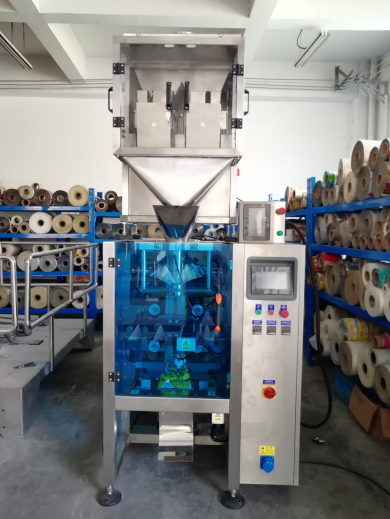
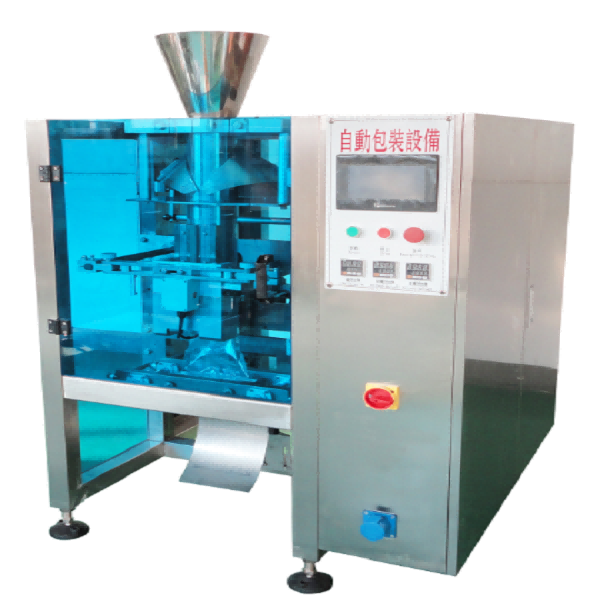
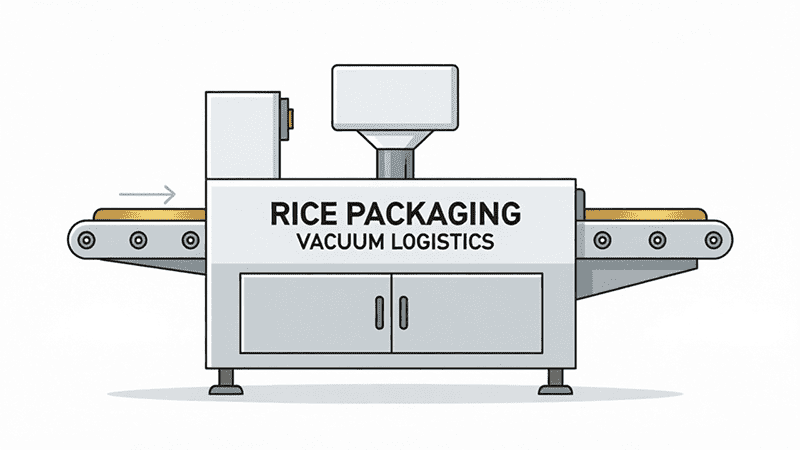
A rice packaging machine should protect the product through storage, handling, and retail presentation. Vacuum packaging helps by lowering oxygen exposure, limiting moisture risk, and creating a tighter package that stacks and ships more efficiently.
The first practical value is longer quality retention. The second is better aroma and flavor stability. The third is stronger protection against insects, dust, and odor transfer. The fourth is cleaner logistics because compact rice packs use space more efficiently than loose air-filled bags.
Buyers should compare residual oxygen, seal integrity, bag firmness, and carton compression in the factory trial. Those checks show whether the vacuum benefit remains after transport and storage.
Rice buyers usually care about more than the first visual impression of a tight pack. They need to know whether the bag still holds shape after pallet stacking, shelf display, and repeated handling. Thin corner stress, weak seals, or unstable package firmness can appear later even when the first sample looks acceptable.
Another point is product integrity inside the bag. If the vacuum setting is too aggressive for the rice type, broken grains can rise and the retail appearance becomes less clean. That is why a proper trial should compare grain condition before and after packing instead of checking only oxygen reduction.
For longer-distance distribution, it is also worth reviewing carton arrangement and compression result. Compact rice packs improve logistics only when the outer packaging and stacking pattern are matched to the final bag shape. Otherwise, the gains in density can be offset by avoidable package stress.
A sensible approval note for this kind of project usually covers residual oxygen target, grain-breakage observation, seal integrity result, and short storage simulation. With that baseline in place, later adjustments become much easier to manage.
In other words, the value of vacuum-packed rice comes from a stable overall package system. Freshness retention, cleaner handling, and denser storage all depend on the bag continuing to perform after the machine cycle is over.
Rice packs should also be checked after stacking, because the dense shape changes how pressure moves through the carton. A good pack keeps the seal stable, protects the grain, and still looks neat after ordinary warehouse handling. That is the point where vacuum packaging shows its real value.
Contact our engineering team directly:
Email: export@jialong.cn
WhatsApp: +86-136-2579-4992
Products: rice packaging machine